
shell
ผู้เยี่ยมชม
benducket3211@gmail.com
Is the China Laos Railway Transforming Southeast Asia into a New Global Trade and Tourism Corridor? (5 อ่าน)
11 มิ.ย. 2569 19:05
The China Laos railway has become one of the most important modern infrastructure projects in Asia, reshaping transportation, trade, and economic development across borders. This cross-border railway line connects Kunming in China’s Yunnan Province with Vientiane, the capital of Laos, forming a strategic transport link that enhances regional connectivity and global trade flows. As part of broader regional development initiatives, the railway is widely recognized for improving logistics efficiency, reducing transport costs, and strengthening economic cooperation between China, Laos, and neighboring Southeast Asian countries.
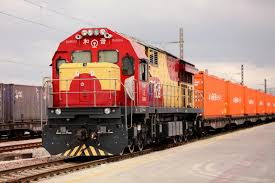
In recent years, the China Laos railway project has attracted significant international attention due to its impact on trade routes, tourism growth, and regional integration. It represents a shift toward faster, greener, and more efficient transportation systems that support long-term economic expansion and cross-border collaboration.
China Laos Railway Route and Infrastructure Transformation
The China Laos railway route stretches through complex geographical landscapes, including mountainous terrain, rivers, and valleys, making it one of the most advanced engineering achievements in the region. The railway spans over a thousand kilometers, providing a direct rail connection between southwestern China and mainland Southeast Asia.
This modern rail system includes both passenger and freight services, allowing for efficient movement of goods and people. The infrastructure incorporates advanced tunneling systems, elevated bridges, and high-standard railway technology designed for safety and durability. The Kunming to Vientiane rail corridor has significantly reduced travel time compared to traditional road transport, offering a faster and more reliable alternative for cross-border mobility.
The Kunming Vientiane railway connection is not only a transportation route but also a strategic development corridor. It enhances Laos’s position in regional logistics networks and supports China’s broader connectivity goals in Asia. This railway is often described as a key component of the modern trans-Asian transport system, linking multiple economic zones and facilitating international cooperation.
China Laos Railway Economic Growth and Trade Development
The China Laos railway economic impact has been transformative, especially in terms of trade expansion and investment growth. By reducing transportation time and logistics costs, the railway has made cross-border trade more efficient and competitive. Businesses on both sides now benefit from improved supply chain systems and greater market accessibility.
Laos has experienced significant economic advantages through improved export capabilities. Agricultural goods, natural resources, and local products can now reach Chinese and regional markets faster, preserving quality and increasing profitability. At the same time, imported goods from China are delivered more efficiently, supporting local consumption and business operations in Laos.
The railway has also stimulated industrial development along its corridor. Economic zones, logistics hubs, and commercial centers have emerged near major railway stations, attracting domestic and foreign investment. These developments contribute to job creation and economic diversification in both urban and rural regions.
The rise of cross-border trade along the China Laos railway corridor has strengthened regional economic integration. Improved infrastructure has encouraged multinational companies to expand operations in Southeast Asia, taking advantage of enhanced connectivity and reduced transportation barriers. This has led to increased economic activity and stronger trade relationships across the region.
China Laos Railway Tourism Growth and Cultural Exchange
The China Laos railway tourism development has played a crucial role in increasing travel opportunities between China and Laos. With faster and more comfortable passenger trains, tourism has become more accessible and attractive for international and domestic travelers.
Laos, known for its cultural heritage, temples, and natural landscapes, has seen a rise in visitor numbers due to improved accessibility. The railway has made it easier for tourists to explore destinations that were previously difficult to reach, contributing to the growth of the tourism industry.
Cities along the railway route have benefited from increased tourism activity. Hotels, restaurants, travel services, and cultural attractions have experienced rising demand, supporting local economies and small businesses. This growth has also encouraged the development of tourism infrastructure and services in rural areas, creating more balanced regional development.
The Kunming to Vientiane tourism rail route has become increasingly popular among travelers seeking cultural exploration and scenic journeys. The railway not only connects destinations but also promotes cultural exchange between China and Laos. Increased interaction between people from both countries strengthens mutual understanding and builds long-term social and economic relationships.
China Laos Railway Regional Connectivity and Future Expansion
The China Laos railway regional connectivity is expected to play a major role in shaping the future of transportation across Southeast Asia. As part of broader regional infrastructure development, the railway is seen as a foundation for an interconnected rail network linking multiple countries in the region.
Future expansion projects may extend railway connections beyond Laos, integrating with Thailand, Malaysia, and other Southeast Asian nations. This would create a seamless transportation corridor that enhances trade efficiency and regional mobility on a larger scale.
The railway also supports environmental sustainability by providing a more energy-efficient alternative to road and air transport. Rail systems generally produce lower carbon emissions, making them an important part of sustainable development strategies. This aligns with global efforts to promote environmentally friendly infrastructure and reduce transportation-related environmental impact.
Technological advancements in railway systems are expected to further improve efficiency, safety, and service quality. Smart logistics systems, improved scheduling, and advanced freight management will enhance the overall performance of the railway network.
The future of China Laos railway development remains closely linked with regional economic policies and international cooperation frameworks. As connectivity continues to expand, the railway is expected to become a central pillar of Southeast Asia’s transportation infrastructure.
Conclusion Title Is the China Laos Railway Becoming the Backbone of Southeast Asia’s Economic and Transportation Future?
The China Laos railway stands as a landmark infrastructure project that has significantly transformed trade, tourism, and regional connectivity across Southeast Asia. By linking Kunming and Vientiane through a modern and efficient railway system, it has improved logistics performance, boosted economic growth, and enhanced cultural exchange between China and Laos.
Its impact continues to expand as trade volumes increase, tourism grows, and regional integration deepens. The railway not only supports current economic development but also lays the foundation for future connectivity across Southeast Asia. As a result, the China Laos railway is emerging as a vital transportation corridor that will continue to shape the region’s economic landscape for years to come.
43.242.176.87
shell
ผู้เยี่ยมชม
benducket3211@gmail.com