
shell
ผู้เยี่ยมชม
benducket3211@gmail.com
Is Fire Sprinkler Pipe the Key to Effective Fire Protection Systems? (8 อ่าน)
16 พ.ค. 2569 19:06
Afire sprinkler pipe is one of the most important parts of a modern fire protection system. These pipes are specially designed to carry water through a network connected to sprinkler heads, helping control fires during emergencies. In residential buildings, commercial properties, warehouses, factories, hospitals, and shopping centers, fire sprinkler pipe systems provide reliable protection against fire hazards and help reduce damage to life and property.
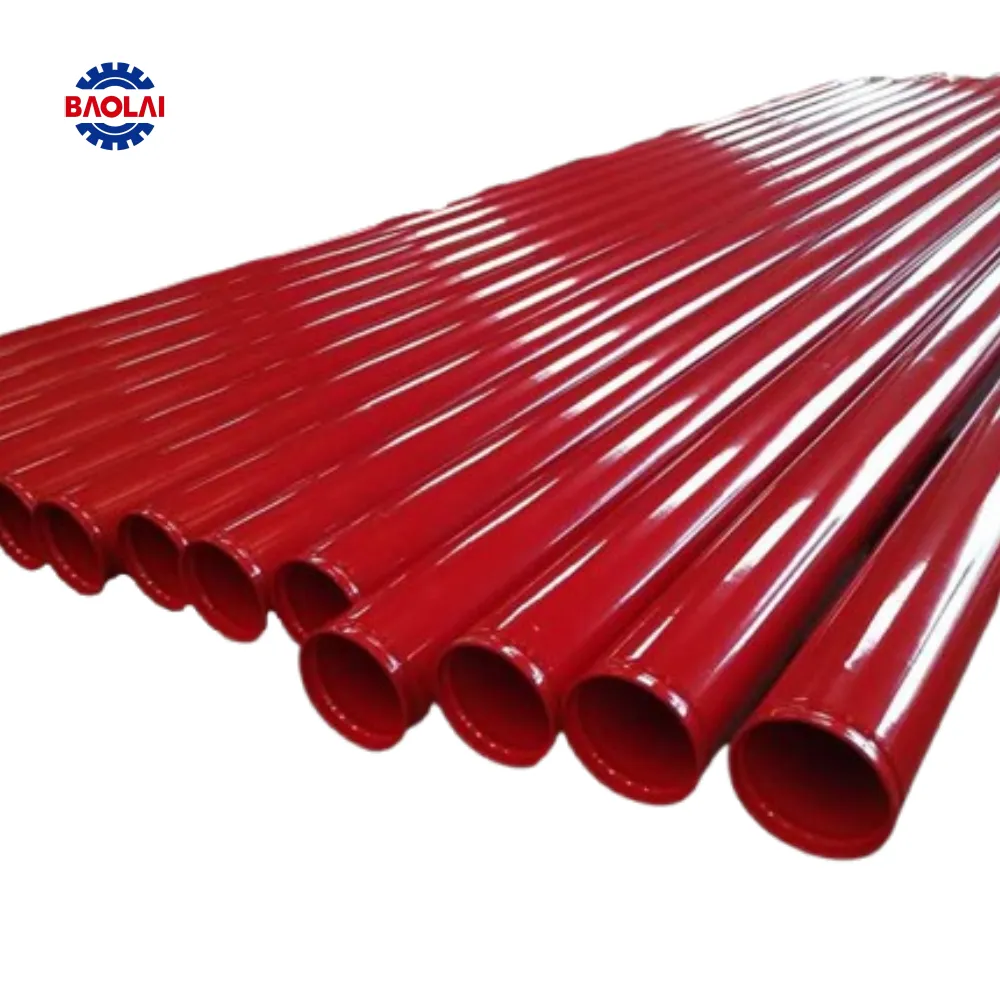
Modern construction projects focus heavily on fire safety because fire incidents can lead to severe destruction, financial loss, and dangerous situations for building occupants. A properly installed fire sprinkler piping system allows water to flow quickly when high temperatures activate the sprinkler heads. This rapid response helps contain flames before they spread throughout the structure.
Fire sprinkler pipes are manufactured using different materials depending on the environment and system requirements. Black steel fire sprinkler pipes are widely used because they are strong, durable, and suitable for high-pressure applications. Galvanized steel sprinkler pipes provide extra protection against corrosion and moisture damage, making them ideal for humid conditions and outdoor installations. CPVC fire sprinkler pipes are also becoming increasingly popular in residential and commercial projects because they are lightweight, corrosion-resistant, and easier to install.
The demand for advanced fire suppression systems continues to grow due to stricter building safety regulations and increased awareness about fire prevention. Modern fire sprinkler systems are now considered essential components in safe building design. Property owners and construction companies understand that reliable fire sprinkler pipes are necessary for long-term safety and compliance with international fire protection standards.
Fire Sprinler Pipe System Designs
Different types of fire sprinkler pipe systems are designed for specific fire protection applications. Wet pipe sprinkler systems are the most common because the kpipes always contain pressurized water. When a sprinkler head detects heat from a fire, water is discharged immediately to suppress the flames. Wet pipe systems are highly reliable and commonly used in offices, schools, hotels, apartments, and hospitals.
Dry pipe sprinkler systems are designed for environments where freezing temperatures could damage water-filled pipes. Instead of water, these systems contain pressurized air until activation occurs. Once a sprinkler head opens, the air pressure decreases and water flows through the fire sprinkler pipes toward the fire. Dry systems are frequently installed in parking garages, cold storage facilities, and unheated warehouses.
Pre-action sprinkler systems are another important type used in areas where accidental water discharge could damage sensitive equipment or valuable assets. These systems are commonly found in data centers, museums, server rooms, and libraries. Deluge fire sprinkler systems are used in high-risk industrial environments where fires can spread rapidly. In these systems, all sprinkler heads release water simultaneously during activation.
The design of a fire sprinkler piping system depends on factors such as building size, occupancy type, environmental conditions, and local fire safety codes. Fire protection engineers carefully calculate water flow rates, pipe diameter, and pressure levels to ensure maximum performance during emergencies.
Modern fire suppression systems also use advanced technologies to improve efficiency and reliability. Pressure sensors, automatic monitoring devices, and leak detection systems help maintain proper sprinkler pipe performance while reducing maintenance costs. These innovations allow building owners to identify potential problems before they become serious safety risks.
Fire Sprinkler Pipe Installation and Maintenance
Proper installation is essential for ensuring the long-term reliability of fire sprinkler pipes. Professional fire protection contractors follow strict engineering standards and safety regulations during the installation process. Pipes must be securely connected, accurately aligned, and thoroughly pressure tested to prevent leaks or operational failures.
International fire safety standards such as NFPA regulations play an important role in sprinkler system installation. These standards ensure that fire sprinkler pipes provide adequate water pressure and flow during emergencies. Incorrect installation can lead to reduced system performance, delayed water delivery, or complete system failure during critical situations.
Routine maintenance is equally important for maintaining the effectiveness of fire sprinkler pipe systems. Over time, corrosion, mineral buildup, and environmental exposure can reduce water flow and damage the pipes. Regular inspections help identify these problems before they compromise fire protection performance.
Maintenance procedures often include pipe flushing, pressure testing, valve inspections, and sprinkler head evaluations. Fire protection technicians also check for leaks, rust, and sediment buildup inside the piping network. Buildings with neglected fire sprinkler systems may face increased fire risks, expensive repairs, and non-compliance with safety regulations.
Modern technology has significantly improved fire sprinkler system maintenance. Smart fire monitoring systems can detect abnormal pressure changes, leaks, and operational faults in real time. These systems help property managers maintain reliable fire protection while minimizing unexpected maintenance costs.
The cost of installing a fire sprinkler pipe system depends on several factors, including pipe material, building size, and system complexity. Although installation requires an initial investment, the long-term benefits are substantial. Reliable fire suppression systems reduce property damage, improve occupant safety, and help businesses avoid major financial losses caused by fire emergencies.
Fire Sprinkler Pipe Benefits for Safety
Fire sprinkler pipes provide many important advantages that make them essential for modern buildings. One of the biggest benefits is rapid fire suppression. Automatic sprinkler systems react immediately when dangerous heat levels are detected, helping control fires before they spread to larger areas.
Another major advantage is improved life safety. Fire sprinkler systems reduce smoke, heat, and flames during emergencies, creating safer evacuation conditions for occupants. Firefighters also benefit because controlled fires are easier to manage upon arrival.
Fire sprinkler pipes help minimize property damage by delivering water directly to the affected area. Unlike traditional firefighting methods that often use excessive amounts of water, sprinkler systems focus on the fire itself, reducing flooding and unnecessary damage to the building.
Businesses and property owners also benefit financially from installing effective fire sprinkler systems. Fire incidents can cause operational downtime, inventory loss, and expensive structural repairs. A properly functioning fire protection system helps reduce these losses and supports faster recovery after emergencies.
Environmental protection is another important benefit associated with modern fire sprinkler pipe systems. Because they use water efficiently, sprinkler systems help reduce water waste and limit environmental damage caused by uncontrolled fires.
Manufacturers continue to improve fire sprinkler pipe technology by developing stronger and more corrosion-resistant materials. Advanced manufacturing methods and protective coatings have increased the lifespan and reliability of modern fire protection pipes. As cities continue to grow and building safety standards become stricter, fire sprinkler systems will remain a critical part of modern infrastructure.
Conclusion
fire sprinkler pipe systems are one of the most important components of modern fire protection infrastructure. These specialized pipes provide reliable water distribution for sprinkler systems, helping control fires quickly and efficiently during emergencies. Whether installed in residential buildings, commercial properties, hospitals, or industrial facilities, fire sprinkler pipes improve safety and reduce fire-related damage.
Different materials such as black steel, galvanized steel, stainless steel, and CPVC offer unique advantages depending on environmental conditions and application requirements. Proper installation, routine maintenance, and compliance with fire safety standards are essential for ensuring long-term system performance and reliability.
43.242.176.119
shell
ผู้เยี่ยมชม
benducket3211@gmail.com