
shell
ผู้เยี่ยมชม
benducket3211@gmail.com
Is Energy Storage Container Transforming the Future of Renewable Energy and Power Management? (5 อ่าน)
18 มิ.ย. 2569 19:50
Permanent Modular Construction has become one of the most innovative developments in the construction industry, offering a smarter and more efficient alternative to traditional building methods. As the demand for faster project completion, cost-effective construction, and sustainable building solutions continues to rise, Permanent Modular Construction is gaining widespread attention among developers, architects, contractors, and property owners worldwide.
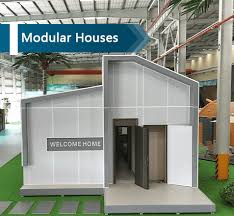
This construction approach involves manufacturing individual building modules in a controlled factory environment before transporting them to the project site for final assembly. Unlike temporary modular structures, Permanent Modular Construction creates long-lasting buildings that comply with local building codes, safety regulations, and quality standards. The finished structures are designed to perform just as effectively as conventionally built buildings while providing significant advantages in speed, consistency, and environmental responsibility.
The growing popularity of modular building systems is largely driven by the need to address housing shortages, commercial expansion, healthcare infrastructure development, and educational facility construction. As urban populations continue to increase and construction timelines become more demanding, Permanent Modular Construction offers a practical and highly scalable solution for modern building challenges.
Advantages of Permanent Modular Construction for Residential and Commercial Projects
One of the most significant advantages of Permanent Modular Construction is its ability to accelerate project delivery. Traditional construction projects often face delays caused by weather conditions, labor shortages, material availability, and on-site challenges. In contrast, modular construction allows building modules to be manufactured indoors while site preparation occurs simultaneously. This parallel workflow significantly reduces overall construction schedules and enables projects to reach completion much faster.
Quality control is another important benefit associated with Permanent Modular Construction. Since modules are built in a controlled factory setting, every stage of the manufacturing process can be carefully monitored and inspected. This environment reduces the likelihood of construction defects and ensures a consistent level of craftsmanship throughout the project. Advanced engineering techniques and precision manufacturing processes further contribute to the durability and reliability of modular structures.
Cost efficiency remains a key reason many developers choose Permanent Modular Construction. Factory-based production minimizes material waste, improves labor productivity, and reduces delays that can increase project expenses. These efficiencies often result in more predictable budgets and lower overall construction costs. For businesses and investors, this financial predictability can be particularly valuable when managing large-scale developments.
Sustainability has also become a major factor in the increasing adoption of modular construction.
Permanent Modular Construction supports environmentally responsible building practices by reducing waste generation, optimizing material usage, and improving energy efficiency. Many modular buildings incorporate green building materials, energy-saving technologies, and sustainable design features that align with modern environmental goals. As the construction industry continues to focus on reducing its carbon footprint, modular construction offers a compelling pathway toward more sustainable development.
Applications of Permanent Modular Construction Across Multiple Industries
Permanent Modular Construction is now used in a wide variety of sectors, demonstrating its flexibility and adaptability. The residential housing market has embraced modular construction as a solution for affordable housing, multifamily developments, student accommodations, and single-family homes. These projects benefit from faster completion times and consistent quality standards, making modular housing an increasingly attractive option for both developers and homeowners.
The healthcare sector has also recognized the advantages of modular construction. Hospitals, medical clinics, diagnostic centers, and healthcare facilities often require rapid expansion to meet growing community needs. Permanent Modular Construction enables healthcare providers to add new facilities quickly while maintaining strict compliance with medical building standards. The controlled manufacturing environment also helps ensure high levels of quality and safety throughout the construction process.
Educational institutions frequently utilize modular building systems to address increasing enrollment and campus expansion requirements. Schools, colleges, universities, and training centers can be developed more efficiently through Permanent Modular Construction, allowing students and staff to benefit from modern facilities without lengthy construction disruptions.
Commercial real estate projects represent another important area of growth for modular construction. Office buildings, hotels, retail centers, restaurants, and mixed-use developments can all be constructed using modular techniques. Modern modular architecture provides attractive designs and customizable layouts that meet the functional and aesthetic expectations of today's businesses and consumers.
Industrial facilities, government buildings, workforce housing projects, and hospitality developments are additional examples of sectors benefiting from Permanent Modular Construction. The versatility of modular building systems makes them suitable for projects ranging from small-scale developments to large and complex infrastructure initiatives.
Future Growth of Permanent Modular Construction Technology
The future of Permanent Modular Construction appears exceptionally promising as technological innovation continues to transform the construction industry. Advanced digital design tools, Building Information Modeling (BIM), automation systems, and smart manufacturing technologies are improving the efficiency and accuracy of modular production processes. These innovations allow construction professionals to optimize project planning, reduce errors, and enhance collaboration throughout the building lifecycle.
The increasing demand for sustainable infrastructure is expected to further drive the adoption of Permanent Modular Construction. Governments, developers, and organizations are actively seeking construction methods that reduce environmental impact while delivering high-quality results. Modular construction aligns closely with these objectives by promoting resource efficiency, waste reduction, and energy-conscious design.
Labor shortages remain a significant challenge for the traditional construction industry. Factory-based modular construction offers a more controlled working environment and helps reduce dependence on large on-site labor forces. This advantage allows projects to maintain productivity even when skilled labor availability becomes limited.
Architectural flexibility has improved considerably in recent years, allowing Permanent Modular Construction to support increasingly sophisticated building designs. Modern modular structures are virtually indistinguishable from conventionally built buildings, helping eliminate outdated misconceptions about modular construction quality and appearance. As public awareness and industry confidence continue to grow, modular construction is expected to play a larger role in shaping the future of global development.
Conclusion
Permanent Modular Construction is redefining modern building practices by delivering faster project completion, superior quality control, enhanced sustainability, and greater cost efficiency. Its ability to meet the demands of residential, commercial, healthcare, educational, and industrial sectors has established it as one of the most promising construction methods available today. As technology advances and the need for efficient, environmentally responsible building solutions continues to increase, Permanent Modular Construction is positioned to become a cornerstone of future construction and infrastructure development around the world.
The global energy sector is undergoing a major transformation as countries, businesses, and communities increasingly adopt renewable energy sources. As solar power, wind energy, and other clean energy technologies continue to expand, the need for reliable energy storage solutions has become more important than ever. An Energy Storage Container has emerged as one of the most effective and versatile technologies for storing electricity and ensuring a stable power supply. By combining advanced battery systems, power conversion equipment, cooling mechanisms, and intelligent monitoring technologies into a single modular unit, an Energy Storage Container offers a practical solution for modern energy challenges.
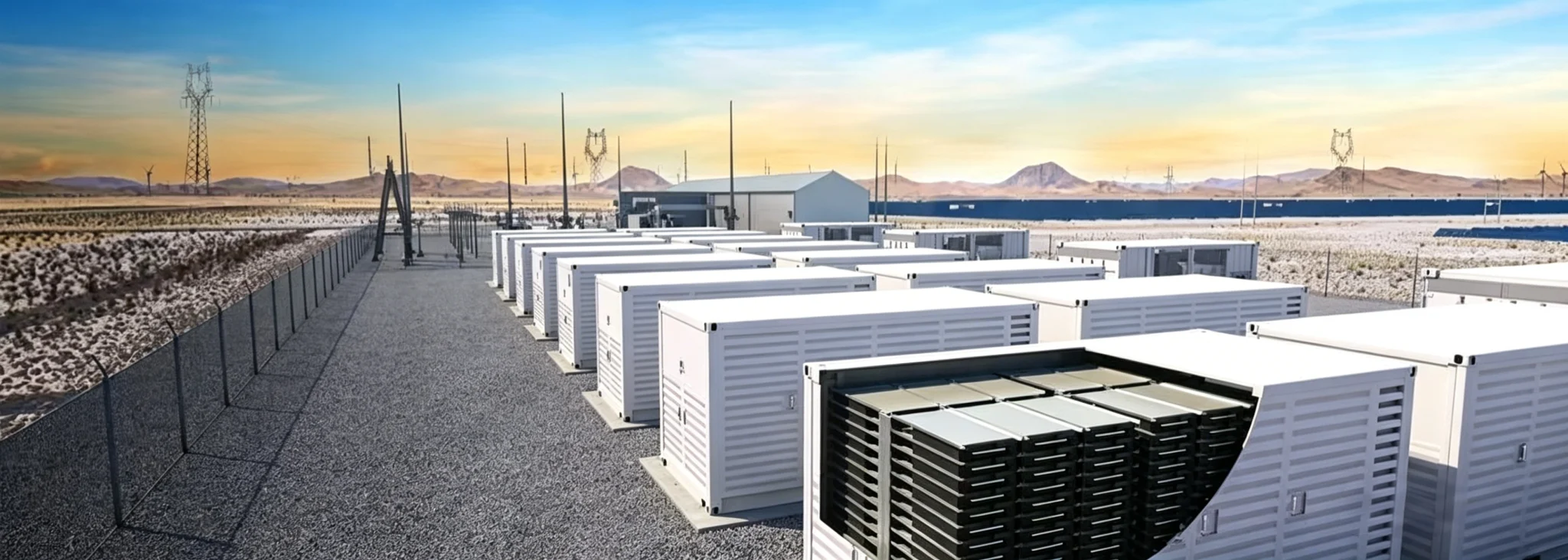
An Energy Storage Container is specifically designed to store excess electricity generated during periods of high energy production and release it when demand increases. This capability helps maintain grid stability, improve energy efficiency, and support renewable energy integration. As utility companies and private organizations seek innovative ways to optimize energy management, containerized battery storage systems are becoming an essential component of modern infrastructure.
The growing demand for energy security, sustainability, and cost-effective power solutions has accelerated the adoption of Energy Storage Container technology across multiple industries. From utility-scale renewable energy projects to commercial facilities and industrial operations, these systems provide reliable energy storage while supporting long-term environmental goals.
Benefits of Energy Storage Container Solutions
One of the most significant advantages of an Energy Storage Container is its ability to improve power reliability. Electricity demand often fluctuates throughout the day, and renewable energy generation is influenced by weather conditions. Energy storage systems help bridge this gap by storing surplus electricity and delivering power when it is needed most. This ensures a more stable and dependable energy supply for businesses, utilities, and residential communities.
Another major benefit is the seamless integration of renewable energy sources. Solar farms and wind power facilities frequently generate electricity during periods when demand is relatively low. Without adequate storage capacity, excess energy may go unused. An Energy Storage Container enables this surplus electricity to be captured and stored efficiently, maximizing the value of renewable energy investments and reducing energy waste.
Cost savings also play a critical role in the popularity of containerized energy storage systems. Organizations can reduce electricity expenses by storing power during off-peak periods when energy prices are lower and using stored electricity during peak demand periods when costs increase. This approach helps businesses optimize energy consumption and improve financial performance while reducing dependence on traditional power generation methods.
Scalability is another important feature of Energy Storage Container solutions. Their modular design allows energy storage capacity to be expanded as operational needs grow. Whether supporting a small commercial building or a large utility-scale renewable energy project, these systems can be customized to meet specific energy requirements without significant infrastructure modifications.
Environmental sustainability further enhances the value of Energy Storage Containers. By enabling greater utilization of renewable energy and reducing reliance on fossil fuel-based power generation, these systems contribute to lower greenhouse gas emissions and support global efforts to combat climate change. As organizations increasingly prioritize sustainable energy practices, battery energy storage systems are becoming a key element of long-term environmental strategies.
Applications of Energy Storage Container Technology
Energy Storage Container systems are widely used across various sectors due to their flexibility, efficiency, and reliability. Utility companies utilize large-scale battery energy storage systems to balance electricity supply and demand, improve grid resilience, and support renewable energy integration. These systems help utilities manage peak loads, reduce grid congestion, and maintain consistent power quality.
Commercial and industrial facilities are also embracing containerized energy storage solutions to improve operational efficiency. Manufacturing plants, warehouses, office complexes, shopping centers, and data centers often require uninterrupted electricity to maintain productivity and protect critical equipment. Energy Storage Containers provide backup power capabilities while helping organizations manage energy costs more effectively.
Renewable energy projects represent one of the fastest-growing applications for Energy Storage Container technology. Solar energy storage and wind energy storage systems rely on advanced battery containers to address intermittency challenges and improve energy availability. By storing renewable electricity for later use, these systems enhance project performance and increase the reliability of clean energy generation.
Remote communities and off-grid installations benefit significantly from Energy Storage Containers as well. In locations where traditional grid infrastructure is limited or unavailable, battery storage systems can work alongside renewable energy sources to provide dependable and sustainable electricity. This reduces reliance on diesel generators and supports cleaner energy production in remote areas.
The transportation sector is another emerging market for containerized battery storage. Electric vehicle charging stations often require substantial amounts of electricity during peak usage periods. Energy Storage Containers help manage charging demand, improve energy efficiency, and support the continued growth of electric mobility infrastructure around the world.
Future Trends Shaping Energy Storage Container Development
The future of Energy Storage Container technology is being shaped by rapid advancements in battery innovation and smart energy management systems. Lithium-ion batteries currently dominate the market due to their high energy density and efficiency, but emerging technologies such as solid-state batteries and next-generation energy storage solutions are expected to further improve performance and safety.
Artificial intelligence and digital monitoring platforms are enhancing the operational capabilities of modern Energy Storage Containers. Advanced software can analyze system performance in real time, optimize charging and discharging cycles, and identify maintenance requirements before issues occur. These intelligent energy management features help maximize efficiency and extend system lifespan.
Global investments in renewable energy infrastructure continue to drive demand for energy storage technologies. Governments and private organizations are increasingly recognizing the importance of battery energy storage systems in achieving carbon reduction targets and supporting clean energy transitions. As policy support and financial incentives expand, the deployment of Energy Storage Containers is expected to accelerate significantly.
The modernization of electrical grids is another factor contributing to market growth. Smart grids require flexible and responsive energy storage solutions capable of managing complex energy flows. Energy Storage Containers provide the adaptability needed to support modern grid operations while enhancing overall energy resilience.
As technology advances and manufacturing costs continue to decline, Energy Storage Containers are becoming more accessible to a broader range of users. This trend is expected to further strengthen their role in shaping the future of sustainable energy systems worldwide.
Conclusion
Energy Storage Container technology has become a cornerstone of modern energy management by providing reliable, scalable, and environmentally responsible energy storage solutions. Its ability to enhance renewable energy integration, improve grid stability, reduce operational costs, and support energy security makes it an essential component of today's evolving power infrastructure. As innovations in battery technology and smart energy systems continue to advance, Energy Storage Containers will play an increasingly important role in building a cleaner, more efficient, and more resilient global energy future.
43.242.176.119
shell
ผู้เยี่ยมชม
benducket3211@gmail.com