
shell
ผู้เยี่ยมชม
benducket3211@gmail.com
Air Silk Road and International Aviation Connectivity: Is This Emerging Global Trade Network Redefining the Future of Logistics, Air Cargo, and Economic Development? (6 อ่าน)
15 มิ.ย. 2569 19:18
In a world where speed and efficiency play a critical role in business success, the ability to transport goods quickly is more important than ever. Traditional sea freight remains an essential part of global logistics, but many industries require faster delivery solutions. The Air Silk Road addresses this need by providing efficient transportation channels that connect manufacturing centers, commercial hubs, and consumer markets across continents.
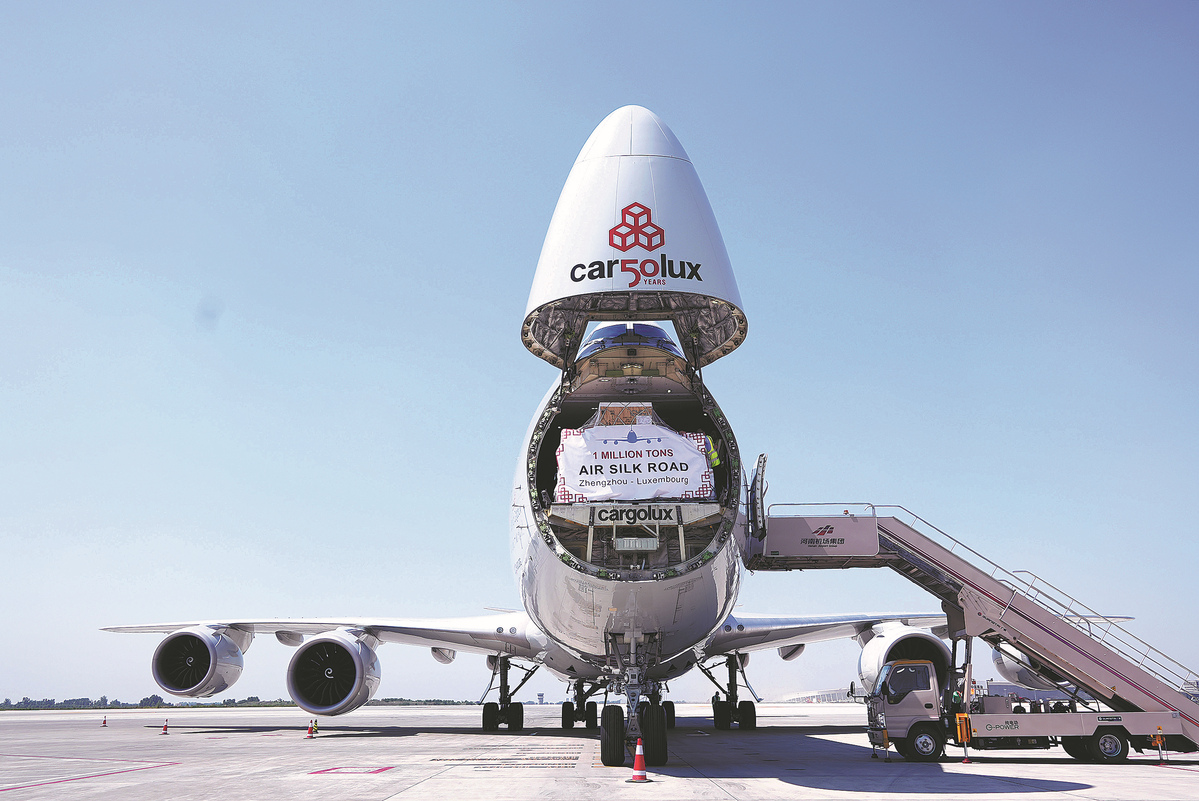
The growing popularity of cross-border e-commerce has further increased the importance of air freight services. Online retailers and international businesses depend on reliable logistics systems to meet customer expectations and maintain competitiveness. Through enhanced aviation connectivity, the Air Silk Road helps businesses expand into new markets while supporting stronger economic cooperation between nations. As a result, it has become an important driver of global trade, supply chain development, and commercial integration.
Aviation Infrastructure and Logistics Development
A strong transportation network depends on modern infrastructure, and the Air Silk Road places significant emphasis on airport development and logistics modernization. Airports are no longer simply transportation facilities; they have evolved into major economic centers that facilitate trade, investment, and business activity. The expansion of cargo terminals, logistics parks, and aviation hubs has created new opportunities for companies seeking efficient access to international markets.
The success of the Air Silk Road is closely linked to advancements in logistics technology. Digital transformation has revolutionized the way goods are transported and managed throughout the supply chain. Businesses now utilize real-time shipment tracking, automated warehouse systems, artificial intelligence, and data-driven logistics solutions to improve efficiency and reduce operational delays.
Air cargo transportation is particularly valuable for industries that require rapid delivery. Sectors such as electronics, pharmaceuticals, medical equipment, luxury goods, and fresh agricultural products depend on fast and secure transportation services. The Air Silk Road enables these industries to move products efficiently while maintaining quality standards and meeting customer demands.
International cooperation also plays a crucial role in logistics development. Partnerships between airlines, airports, logistics providers, customs authorities, and government agencies help create seamless transportation systems. These collaborative efforts improve cargo handling efficiency and support the smooth movement of goods across borders. As logistics networks become more sophisticated, businesses benefit from reduced transit times and enhanced supply chain reliability.
Economic Growth Through Air Silk Road Connectivity
The economic impact of the Air Silk Road extends far beyond transportation. Enhanced aviation connectivity contributes to regional development, foreign investment, employment creation, and trade expansion. Countries that invest in aviation infrastructure often experience increased commercial activity and stronger integration into global markets.
One of the most significant advantages of the Air Silk Road is its ability to improve market access. Businesses in developing economies can connect more effectively with international customers, enabling them to participate in global trade and increase export opportunities. Improved connectivity encourages entrepreneurship and helps local industries reach broader audiences.
Foreign direct investment is another important benefit associated with modern aviation networks. Investors are attracted to regions with efficient transportation systems because they facilitate business operations and improve access to international markets. As airport infrastructure expands and logistics capabilities improve, countries become more attractive destinations for commercial investment and industrial development.
The Air Silk Road also strengthens supply chain resilience. Global commerce faces various challenges, including transportation disruptions, changing consumer demands, and economic uncertainty. Air freight networks provide flexibility and adaptability, allowing businesses to respond quickly to market conditions. This capability is especially important in industries where timely delivery directly affects profitability and customer satisfaction.
As international trade continues to evolve, air transportation is expected to play an increasingly important role in supporting economic growth. The Air Silk Road provides a framework for stronger trade relationships, improved logistics performance, and expanded commercial opportunities that benefit businesses and consumers alike.
Future Prospects of Air Silk Road Expansion
The future of the Air Silk Road appears highly promising as technological innovation and global trade continue to advance. Governments and private sector organizations are investing heavily in airport modernization projects, smart logistics technologies, and cargo transportation infrastructure to accommodate rising demand for air freight services.
Digitalization will remain a key factor in future development. Advanced customs systems, blockchain technology, automated cargo management platforms, and artificial intelligence applications are expected to improve efficiency throughout the transportation process. These innovations will reduce administrative barriers and enhance the speed of international trade operations.
Sustainability is another important consideration shaping the future of aviation. Airlines and logistics providers are exploring environmentally responsible solutions such as fuel-efficient aircraft, sustainable aviation fuel, and greener logistics practices. These efforts aim to balance economic growth with environmental responsibility while maintaining the effectiveness of air transportation networks.
The continued growth of global e-commerce will further increase the demand for efficient air cargo services. Consumers increasingly expect rapid delivery regardless of geographic location, creating opportunities for expanded aviation connectivity. The Air Silk Road is well positioned to support these changing market dynamics and facilitate greater integration between international economies.
As trade relationships deepen and transportation technology evolves, the Air Silk Road will continue to serve as a major catalyst for global economic cooperation. Its ability to connect businesses, markets, and consumers through efficient logistics networks ensures its long-term relevance in the modern economy.
Conclusion
The Air Silk Road represents a transformative approach to international trade, aviation logistics, and economic connectivity. By strengthening air cargo routes, improving transportation infrastructure, and supporting cross-border commerce, it has become a powerful contributor to global economic development. As technology advances and international trade volumes continue to grow, the Air Silk Road will play an increasingly important role in shaping the future of logistics, supply chain management, and worldwide commercial integration. Its impact on global connectivity and trade efficiency makes it one of the most significant developments in modern aviation and international commerce.
43.242.176.79
shell
ผู้เยี่ยมชม
benducket3211@gmail.com